Skip to main content
Owens Corning
Products
Products
View All
Products
Explore All Products
CFPR Bars Tapes Laminates
Chopped Strand Mat
Composite Lumber
new
Continuous Filament Mat
Dry-Use Chopped Strand
Fiberglas™
Rebar
Multi-End Roving
Nonwovens
Single-End Roving
Thermoplastics
Technical Fabrics
Wet-Used Chopped Strand
New Products!
Owens Corning® Lumber
ROTPROOF. RUSTPROOF. COMPLICATION-FREE.
ㅤ
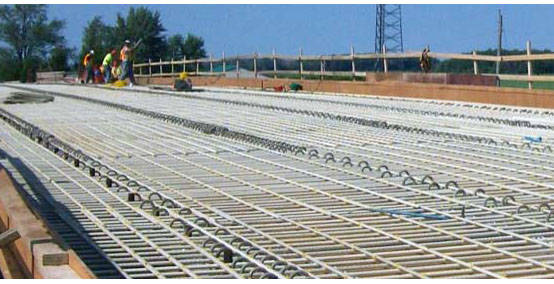
Fiberglas™ Rebar
Stronger lighter and more durable alternative to concrete reinforcement
ㅤ
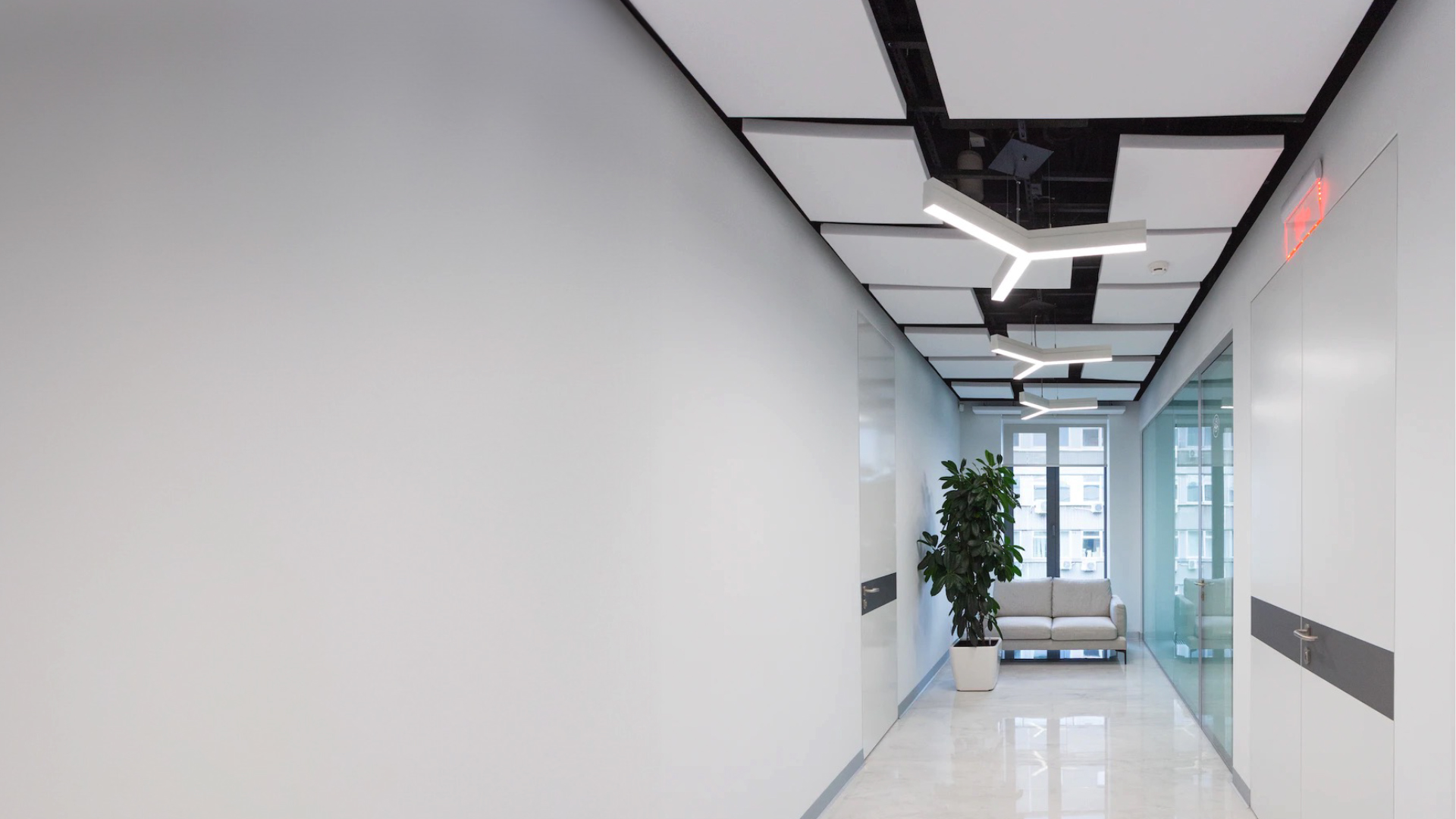
Owens Corning® Nonwoven Veils
Nonwoven Veils for Gypsum, Ceilings and Insulation applications
Processes
Processes
View All
Processes
Continuous Lamination
Direct LFT Compression & Injection
Filament Winding
Hand Lay-Up
Pultrusion
Resin Infusion
Sheet Molding Compound (SMC)
Spray-Up
TP Compounding
Wet Process
Pultrusion
Tailored Solutions to Redefine Pultrusion Design.
End-Use Markets
All Markets
Building & Construction
Transportation
Consumer Goods & Electronics
Industrial & Infrastructure
Wind Energy
Concrete Reinforcement
Marine
Glass Solutions
Glass nonwovens for insulation applications
Concrete Reinforcement
How We Build Now
Wind Energy
Your Material Engineering Partner
Resources & Support
Connect
Self Service Portal
Twitter
LinkedIn
YouTube
Contact Us
Resources
Find PinkBar
Find OC Lumber Products
new
Document Library
Safety Data Sheets
Calculators
PINKBAR™
vs. Steel Rebar Savings Calculator
Concrete Floor Design Tool
Pultrusion Estimator
PipeStrand Estimator
PINKBAR™ vs. Steel Rebar Savings Calculator
Make Impossible Things™
Owens Corning
Hamburger Menu
Products
Processes
End-Use Markets
Resources & Support
Newsroom
Careers / Jobs
Investors
Contact Us
Terms of Use
Privacy Policy
Back
Products
Products
View All
Explore All Products
CFPR Bars Tapes Laminates
Chopped Strand Mat
Composite Lumber
Continuous Filament Mat
Dry-Use Chopped Strand
Fiberglas™ Rebar
Multi-End Roving
Nonwovens
Single-End Roving
Thermoplastics
Technical Fabrics
Wet-Used Chopped Strand
New Products!
Owens Corning® Lumber
ROTPROOF. RUSTPROOF. COMPLICATION-FREE.
ㅤ
Fiberglas™ Rebar
Stronger lighter and more durable alternative to concrete reinforcement
ㅤ
Owens Corning® Nonwoven Veils
Nonwoven Veils for Gypsum, Ceilings and Insulation applications
Back
Processes
Processes
View All
Continuous Lamination
Direct LFT Compression & Injection
Filament Winding
Hand Lay-Up
Pultrusion
Resin Infusion
Sheet Molding Compound (SMC)
Spray-Up
TP Compounding
Wet Process
Pultrusion
Tailored Solutions to Redefine Pultrusion Design.
Back
End-Use Markets
All Markets
Building & Construction
Transportation
Consumer Goods & Electronics
Industrial & Infrastructure
Wind Energy
Concrete Reinforcement
Marine
Glass Solutions
Glass nonwovens for insulation applications
Concrete Reinforcement
How We Build Now
Wind Energy
Your Material Engineering Partner
Back
Resources & Support
Connect
Self Service Portal
Twitter
LinkedIn
YouTube
Contact Us
Resources
Find PinkBar
Find OC Lumber Products
Document Library
Safety Data Sheets
Calculators
PINKBAR™ vs. Steel Rebar Savings Calculator
Concrete Floor Design Tool
Pultrusion Estimator
PipeStrand Estimator
PINKBAR™ vs. Steel Rebar Savings Calculator
Make Impossible Things™
Composites